
Fisheries Management
The process of making decisions about how fish are caught, protected, studied and shared, which often become law or rule.
What is a fishery?
A system of harvesting fish that includes people, the resource, place, time, and practices.
Resource
type of fish being harvested, such as shrimp, blue crab, flounder or oysters
People
fishermen, sellers, seafood workers, suppliers, and coastal communities
Place
specific waterbodies and shorelines where fish are harvested
Time
seasons, days, and time of day fish are harvested
Practices
how fish are harvested, including the rules, the gear used, and local knowledge
Types of Fisheries
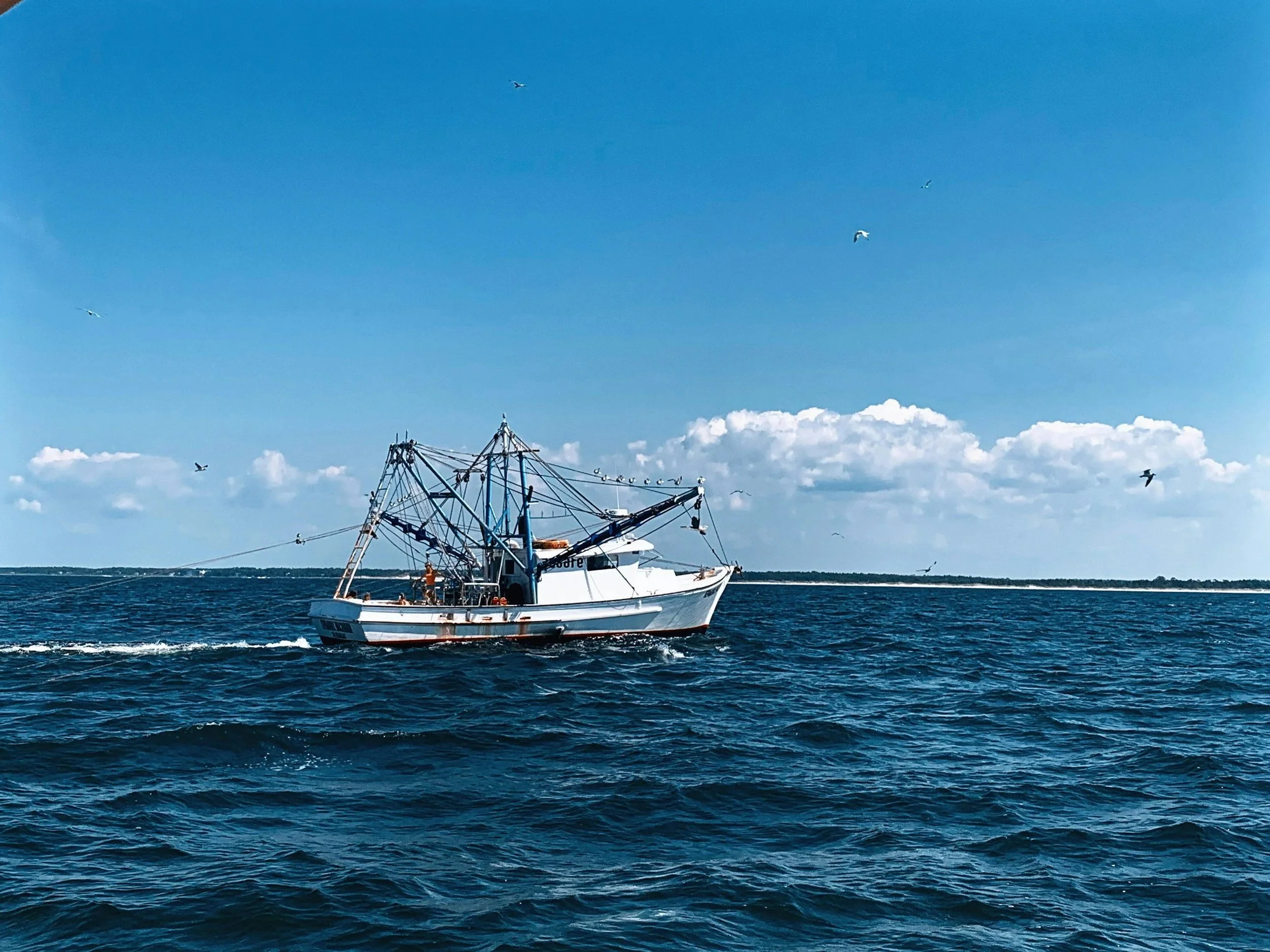
Commercial
harvest to provide seafood to consumers
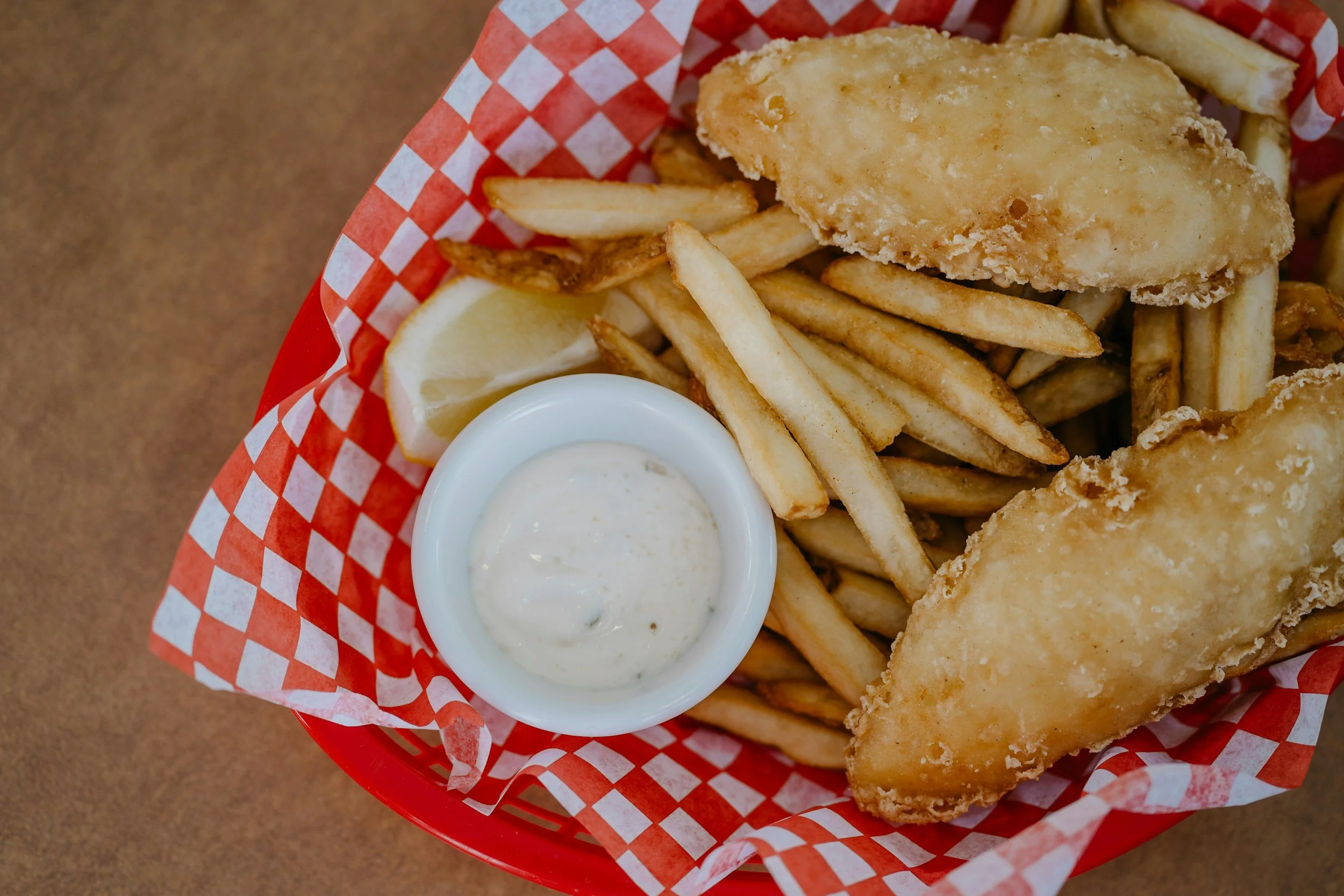
Subsistence
harvest to provide for families or local traditions
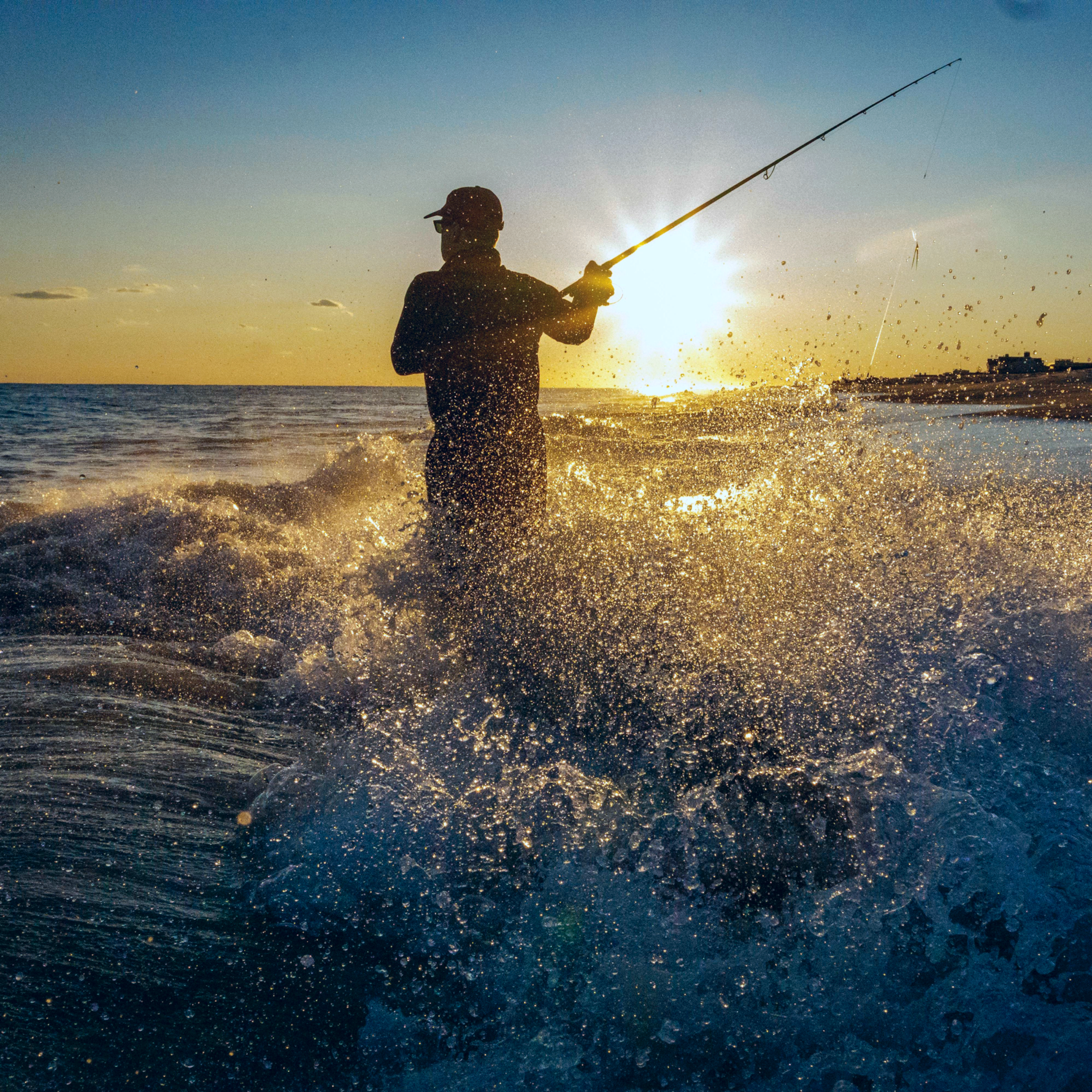
Recreational
harvest for fun or personal use